Made to Last. Made Clean. Made to Give Back.
The greenest component is the one that never has to be made twice. The second-greenest poisons nothing on its way through the world. And the best companies do not stop at doing less harm — they put something back.
8 min read
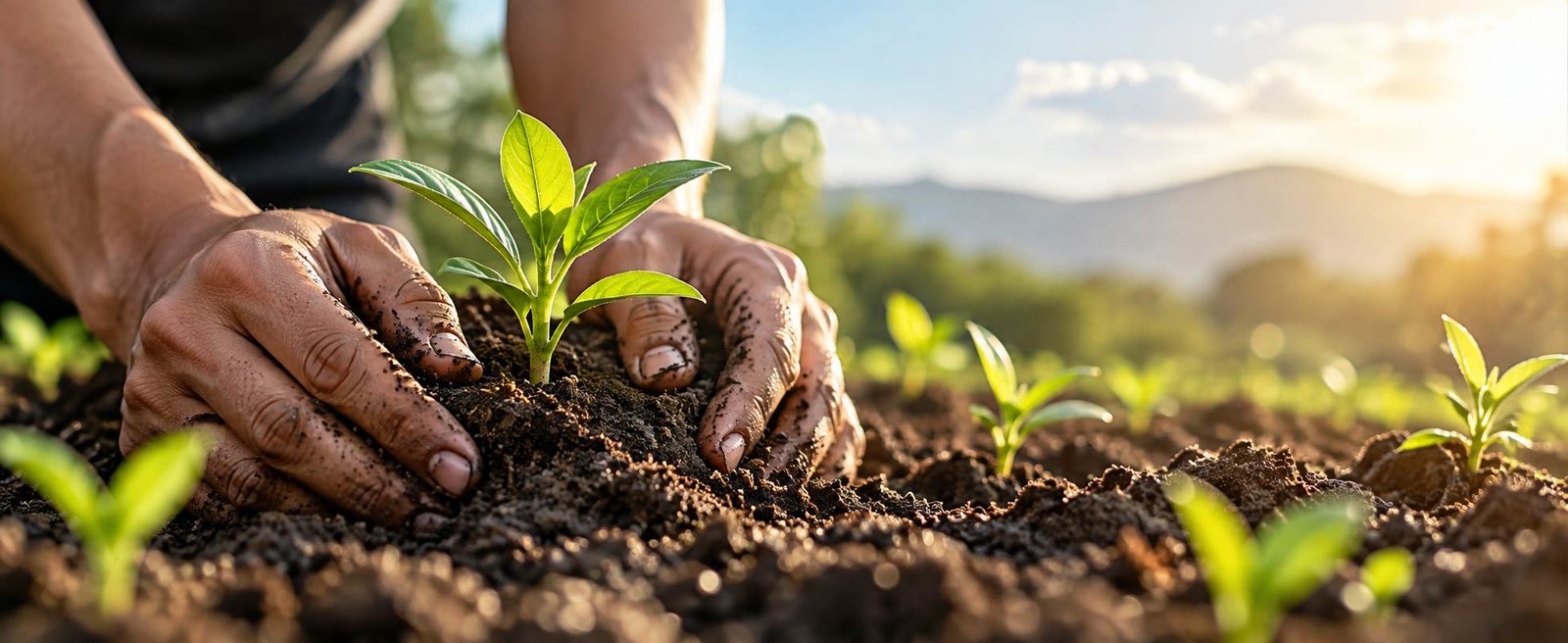
Sustainability has developed a language problem. Somewhere in the last decade it became a vocabulary — green, eco, responsible, a leaf near the logo — recited so often, by so many, that a sensible customer now discounts the whole chant until proven otherwise.
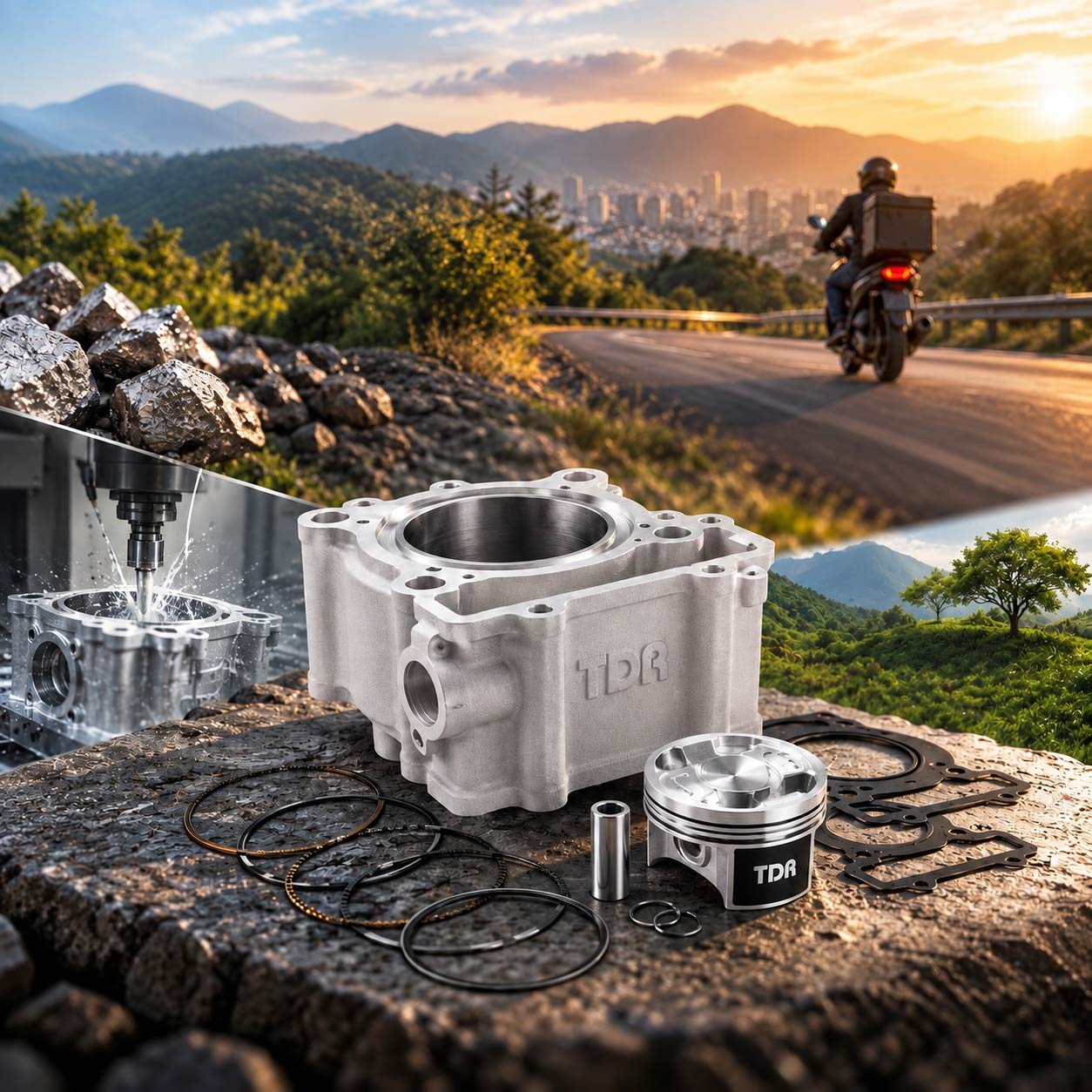
We would rather not add our voice to it. So instead of telling you what we believe about sustainability, we will tell you where we have put it: in three commitments a company that makes physical things can actually keep. Make fewer of them, by making them last. Make them clean, so they poison nothing on their way through the world. And give something back to the earth we all draw from — not as an apology, but as a business.
First: make fewer, by making them last
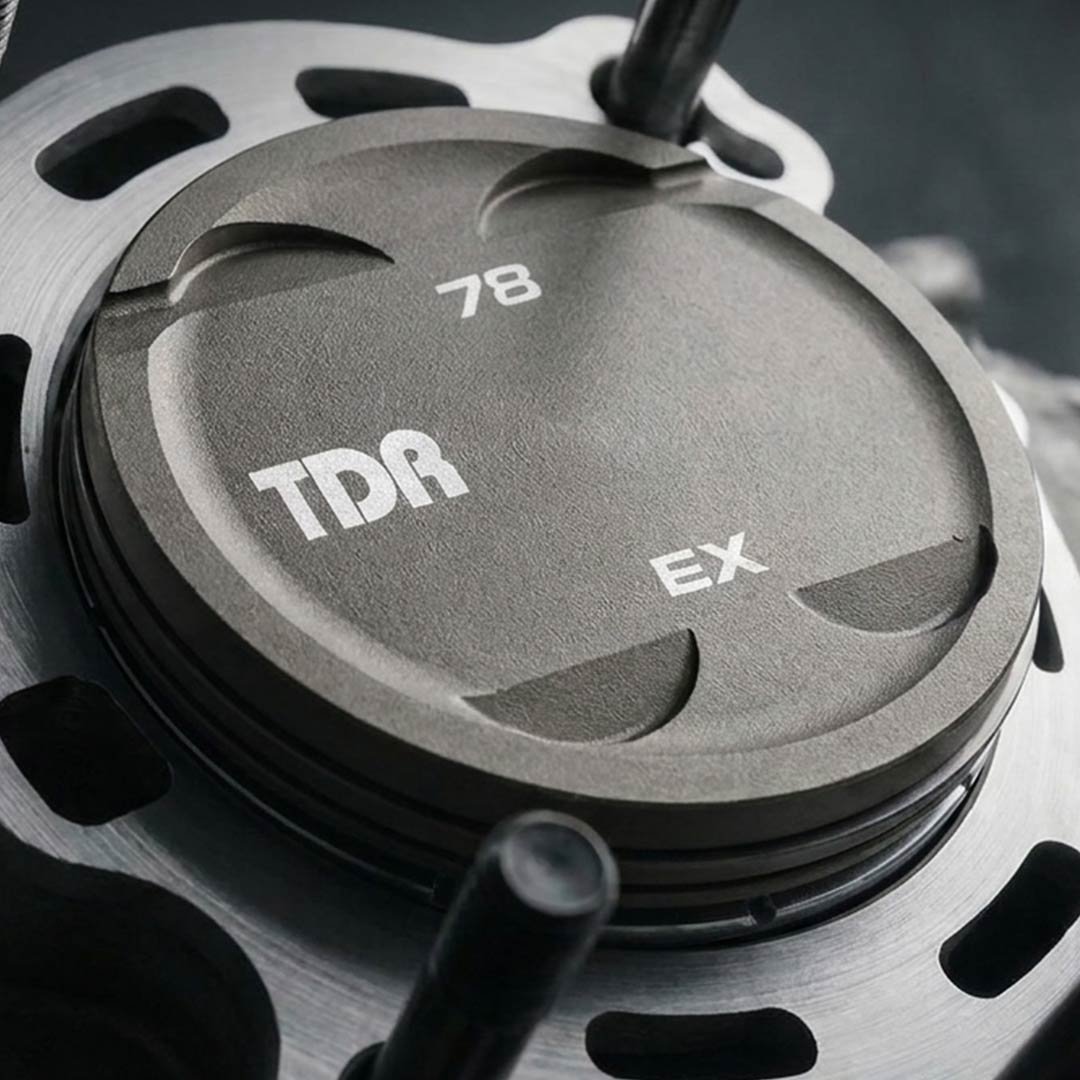
Our first environmental commitment is the least glamorous and the most powerful: a component that lasts twice as long halves everything. Half the ore pulled from the ground, half the energy of manufacture, half the freight, half the packaging, half the worn-out original in a landfill. Durability is not one green virtue among many. For a parts maker it is the master variable — the single lever that moves every other number at once.
The arithmetic is unarguable. Every component carries an environmental debt paid long before a rider installs it: ore mined, metal forged and heat-treated, part packaged and shipped across oceans. That debt is paid in full whether the part lasts one year or ten. So the cheapest-looking part is frequently the most wasteful one — engineered to survive just past its warranty, it fails, and the entire debt is paid again: mine again, forge again, ship again, discard again, two or three times over the span a single well-made part would have served. A part engineered to last pays the debt once and amortises it across years. Longevity is the most powerful decarbonisation strategy available to a company that makes things — and it is indistinguishable from simply making them well.
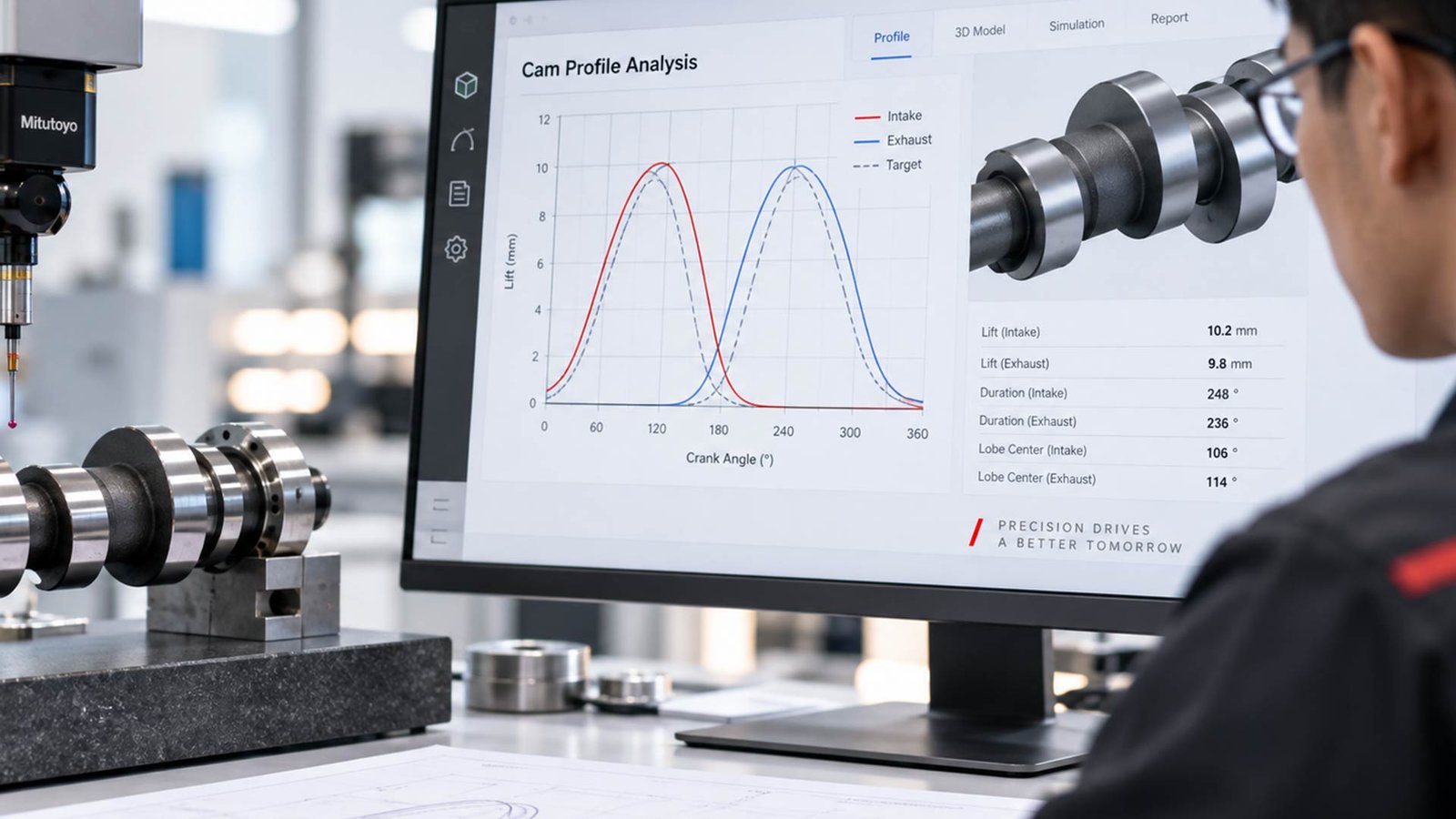
Which is why, here, the engineering is the environmental policy. Wear-resistant surfaces, fatigue-resistant materials, tolerances held tightly enough that a part is ignored for years — each is both an excellence decision and an environmental one. We accept the trade it implies: a part that lasts is a part we sell less often. A company that profits from its own products failing holds an interest it ought to be ashamed of. We would rather earn the next sale by being trusted than by being disposable.
Second: make them clean
Lasting a long time is not enough if a part harms the world simply by doing its job. So our second commitment reaches into the materials themselves — and specifically into the harm that does not announce itself, the kind that leaches out slowly, invisibly, and surfaces somewhere downstream years later.
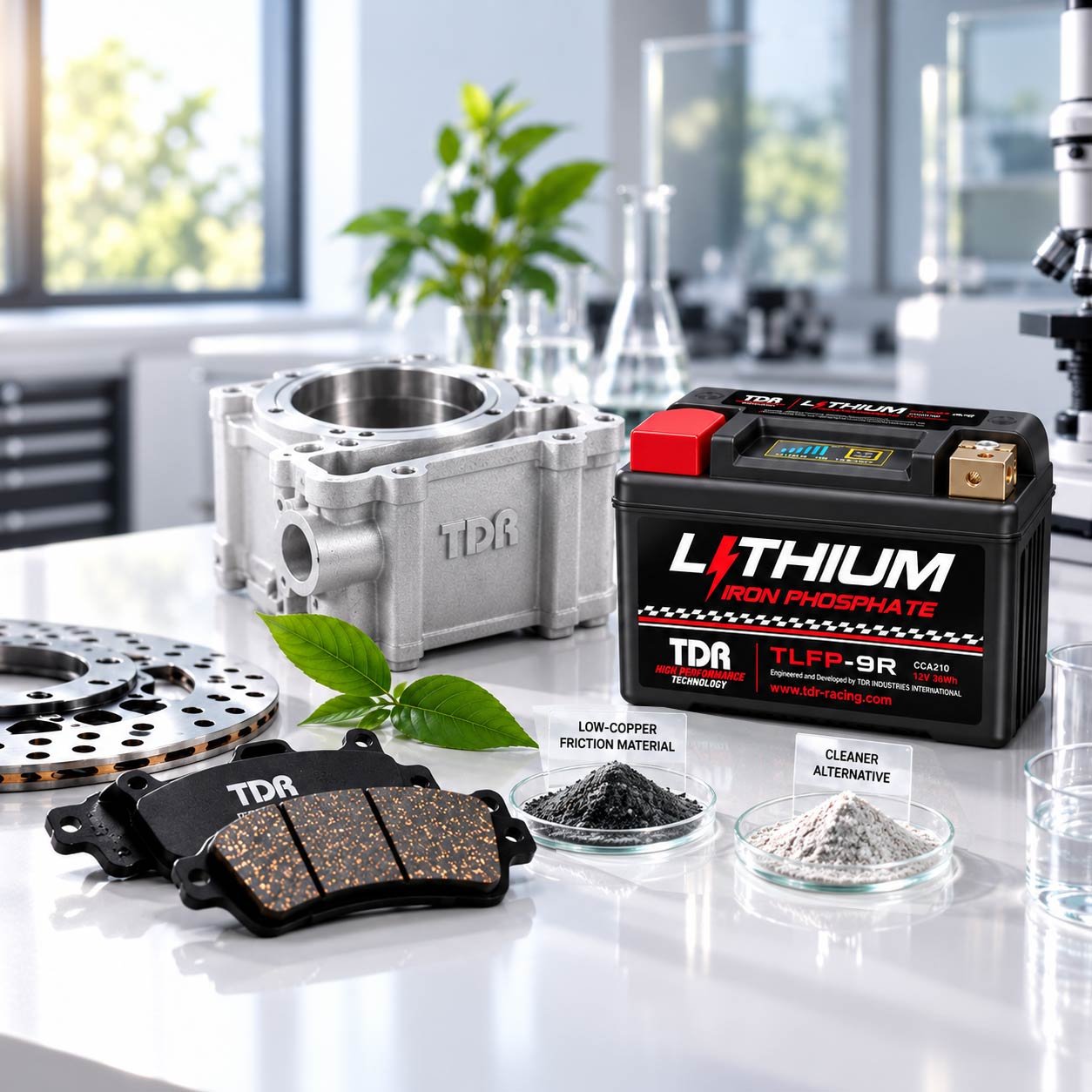
Consider a brake pad. Every time it does its work it wears, and that wear does not vanish — it becomes dust on the road and in the air, and it washes into drains, rivers, and soil. Conventional friction materials can carry a freight of substances that have no business in a waterway: copper, which is acutely toxic to aquatic life; other heavy metals; and, in the cheapest pads still sold in too many markets, asbestos. A brake pad is, in effect, a component designed to slowly disperse itself into the environment across its life. That makes its formulation an environmental decision of the first order — which is why the direction of serious brake engineering worldwide runs toward low-copper and copper-free compounds, reduced heavy metals, asbestos-free materials, and lower particulate emission. As tailpipes grow cleaner, brake and tyre wear become the dominant source of vehicle particulates. A cleaner pad is no longer a detail.
Consider, too, the humble battery. For a century the default has been lead-acid — a block of lead and sulphuric acid sitting under the seat. Lead is among the most damaging neurotoxins known, and the worst harm often comes not in use but at end of life: the informal, unregulated recycling of spent lead-acid batteries is one of the gravest pollution sources on earth, poisoning workers and whole communities across the developing world. The shift toward lithium-based chemistries — longer-lived, lighter, free of lead and free of spillable acid — is one of the most consequential material upgrades available to two-wheeled mobility, and we are actively moving with it. We say so without pretending lithium is free of cost: its extraction carries its own footprint, and its end-of-life recycling is still maturing. That candour is the point. The frontier we find most interesting lies further still — toward abundant, less-contested chemistries such as sodium-ion, which trade scarce materials for common ones. The aim is not to bury one problem to escape another. It is to keep moving toward materials that do their work and then make peace with the world they return to.
Third: give something back
Reducing harm is the whole of most companies' environmental ambition. We think it is only the middle of the road. A company that believes business is one of the most powerful forces for good cannot be satisfied with doing less damage; at some point it has to put something back into the earth it draws from.
For us that conviction has taken a concrete form — one that surprises people who know us only for motorcycle parts: a division of TDR Industries dedicated to organic fertilisers, to protecting and nourishing the soil.
The logic runs deeper than it first appears. Everything our core business touches begins in the ground — the ore we refine, the metals we shape. And a century of industrial agriculture has treated the ground the way industry has too often treated everything: as a resource to extract from until it is spent. Synthetic inputs, overused, strip soil of its organic matter, acidify it, run off into waterways, and leave the living system beneath our feet thinner with every harvest. Soil that ought to be a renewable foundation is being mined like a finite one.
Organic fertilisers are the opposite transaction. Rather than forcing a yield from depleting ground, they feed the soil itself — rebuilding organic matter, restoring the microbial life that makes earth fertile, improving how land holds water, and returning carbon to the ground instead of the air. It is regeneration in place of extraction: leaving the soil richer than we found it, so it can keep giving for generations rather than fewer.
That this sits inside the same group that engineers camshafts and coatings is not a contradiction. It is the clearest statement we can make of what we mean by sustainability. In our core business we work to take less and harm less. In our soil business we work to give back. Both are one company answering one question — what do we owe the earth we build on? — in the two different places that question can be answered.
We will report the progress of all three commitments plainly, in numbers rather than adjectives, as there is progress to report. Until then we would rather be judged on the parts already in service and the ground already being nourished than on promises not yet kept.

The measure that matters
Strip away the vocabulary and sustainability, for a company like ours, comes down to a sequence rather than a slogan. Make fewer things, by making them last. Make them from materials that poison nothing on their way through the world. And, where we can, return to the earth more than we take from it.
Waste less. Harm less. Give back.
None of it is a campaign. It is simply what it looks like to take the ground seriously — the ground we ride on, the ground we draw from, and the ground we grow in.