Why We Believe Business Is a Force for Good
The most consequential thing a company ever builds is not a product. It is the case for its own existence.
7 min read
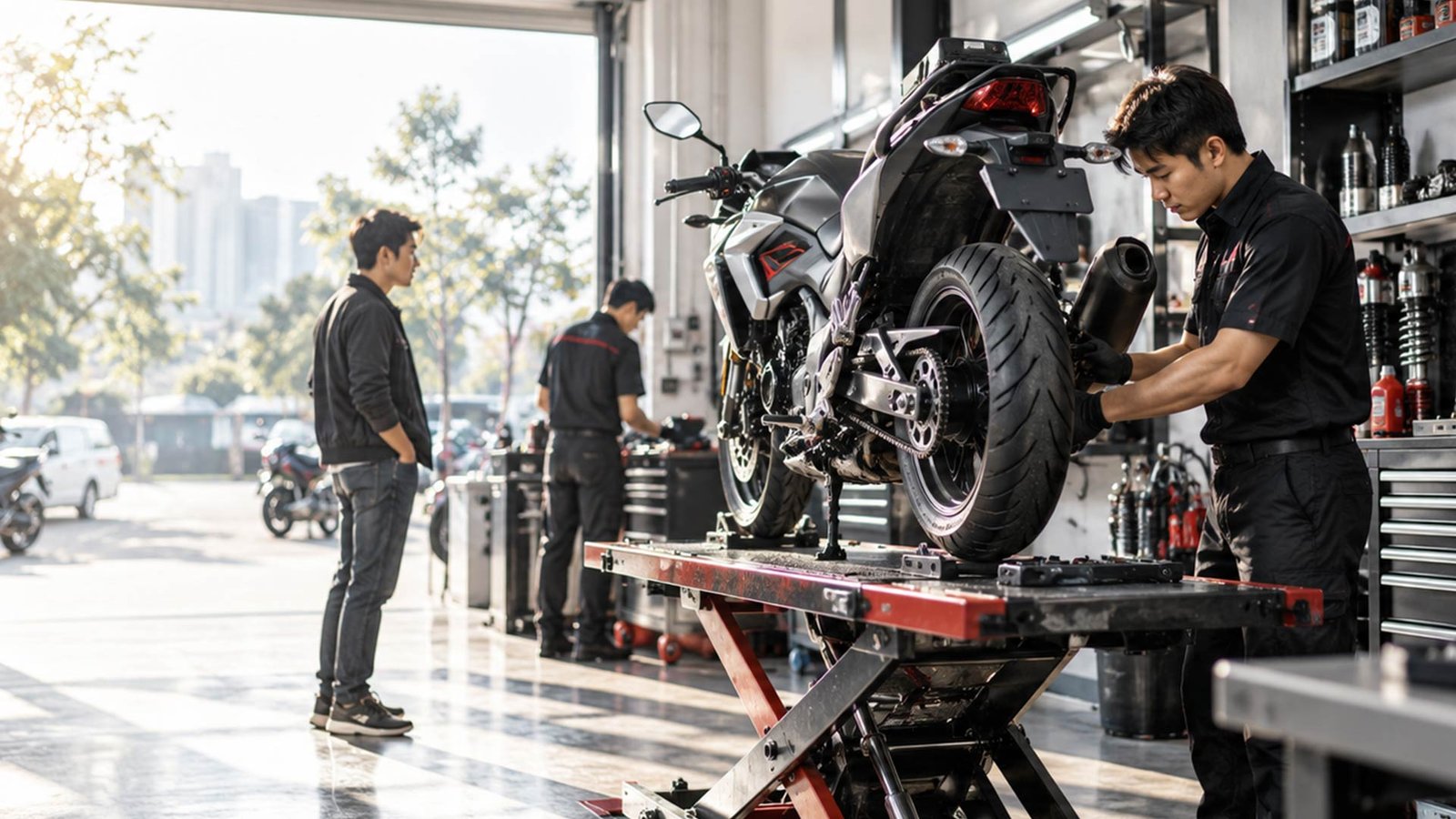
There is a mechanic we think about often. He started years ago as a helper in a small workshop — sweeping floors, fetching tools, watching. Somewhere along the way, somebody trusted him with his first real job: a CVT service on a customer's scooter, the kind of daily machine a family cannot afford to have fail. He did it well. Then he did a hundred more.
Today he runs his own shop. He employs two younger men who sweep his floors, fetch his tools, and watch. His children go to a better school than he did. His street trusts him with their machines, which is to say: with their livelihoods.
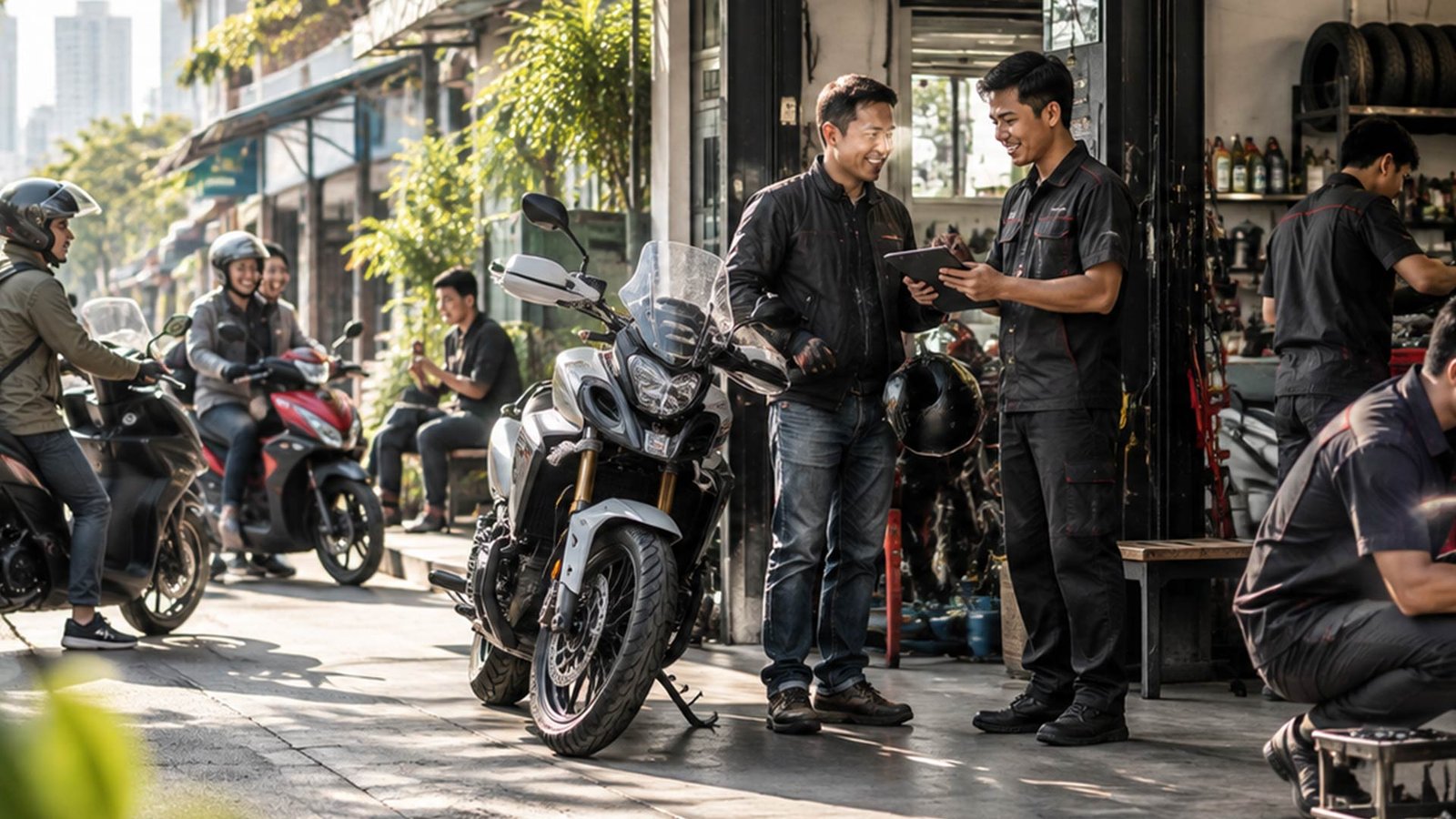
No charity built that. No programme designed it. What built it was commerce — ordinary, unglamorous, daily commerce. Parts bought and sold, skills traded for wages, trust earned one repair at a time. A market did what markets, at their best, quietly do: it took a man's diligence and turned it into a life.
Business is one of the most powerful forces for good in the world. And we take that responsibility seriously.
We have watched this happen so many times, in so many places, that it hardened into the conviction this company is built on.
An unfashionable belief, held anyway
We know how that sentence sounds in some rooms. There is a long-standing suspicion of commerce — a quiet assumption that profit and principle sit at opposite ends of a scale, and that a company does good, if at all, only after the real business is done: a donation here, a foundation there, conscience as an appendix.
We understand where the suspicion comes from. Business has earned it, often enough. A company that squeezes its suppliers, hollows out its people, and cuts corners on the customer is a force too — just not for good. Nothing about commerce is automatically virtuous. That is precisely why the sentence has a second half. A force this powerful is a responsibility, and responsibility is a choice made daily, not a property acquired at incorporation.
But look honestly at what a sound business does in the ordinary course of simply operating well, and the ledger is remarkable. It creates work — not as a gesture, but tens, hundreds, thousands of livelihoods that persist year after year. It develops people, teaching skills and discipline and confidence that no classroom quite replicates. It moves opportunity across borders, connecting a workshop in one country to a factory in another to a rider in a third. It raises standards, because a company that must earn a customer's trust every day cannot afford to betray it. And it does all of this durably — funded by its own success, dependent on no donor, no grant, no one's continued generosity.
That last point matters more than any other. Goodwill runs out. Budgets get cut. Programmes end when attention moves on. But a healthy business renews its own capacity to do good every single year, because the good it does is woven into how it earns. It is the difference between giving water and digging a well.
The engine and the meaning
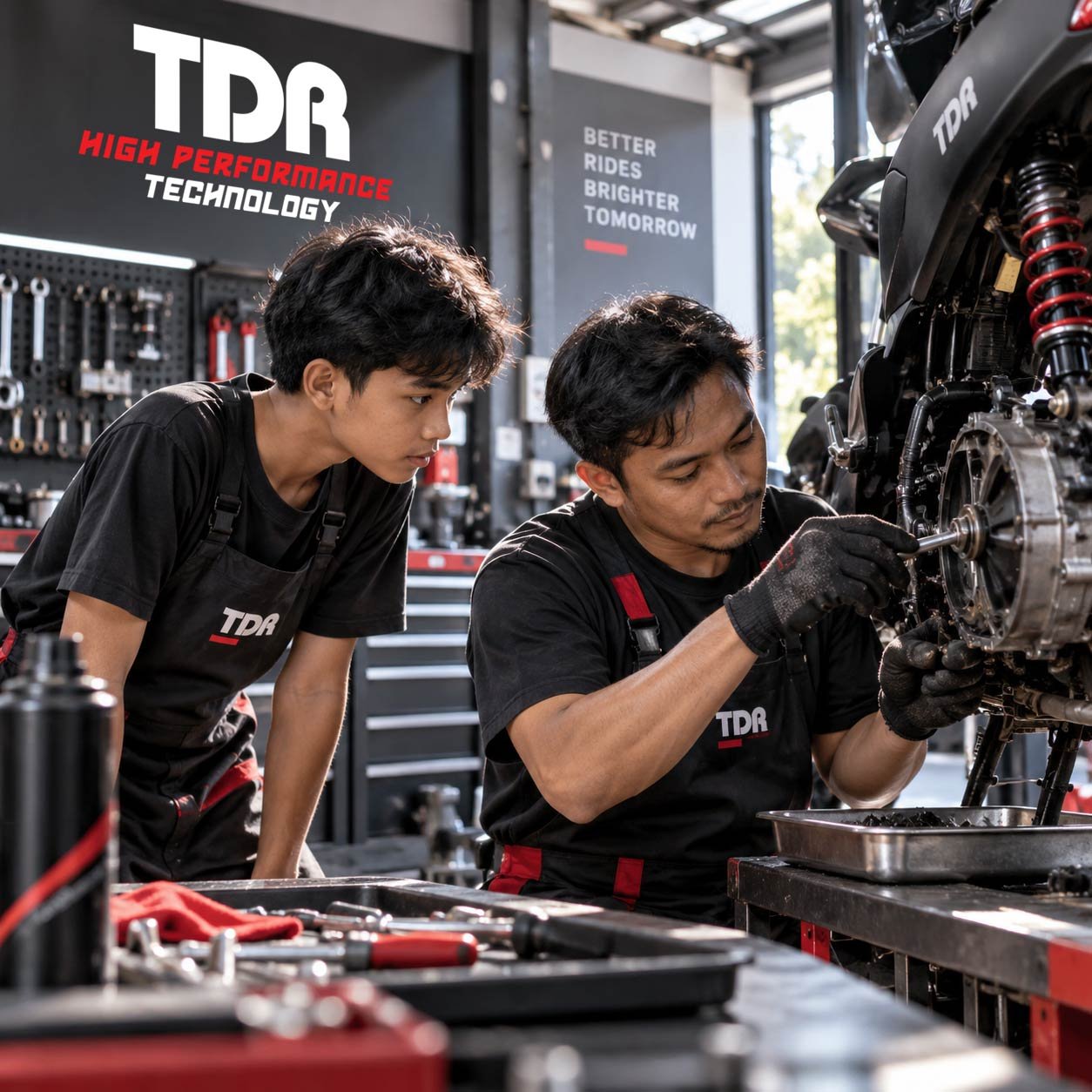
This is why we refuse to run TDR as two companies — a "real" one that makes money and a decorative one that does good. There is one company, with one logic, and the logic runs in both directions:
Our commercial success funds our impact. Every improvement we make in the lives around us — the people we develop, the partners we help grow, the standards we raise, the communities our stability supports — is paid for by margins earned honestly in a competitive market. When we win commercially, our capacity to matter expands. This is why we pursue excellence without apology: profit, for us, is not the point, but it is the power supply. A company that cannot sustain itself helps no one for long.
And our impact gives our work its meaning. Ask anyone who has done it: selling parts, moving boxes, reconciling invoices — none of it, by itself, feeds a soul. What makes the work worth a career is what it adds up to. The engineer refining a component is making a stranger's ride home safer. The salesperson building a territory is building a network of small businesses. The planner squeezing waste out of a supply chain is making good parts affordable to people for whom affordability is everything. Strip the impact away and what remains is employment. Add it back and the same hours become a vocation.
Neither half survives without the other. Success without meaning is a machine running for its own sake. Meaning without success is a promise that cannot be kept. We hold the two together, on purpose, permanently.
What this conviction demands
A belief this large is cheap to state and expensive to hold. Holding it obligates us to things a merely commercial company could skip.
It obligates us to build for decades, not quarters — because a force for good that vanishes in five years was mostly noise. It obligates us to grow people, not just headcount, since human capability is the deepest good a business creates and the one that outlives every product cycle. It obligates us to strengthen every part of our circle — riders, employees, suppliers, communities — because a force for good that benefits only itself has misunderstood the assignment. And it obligates us to compete hard and win honestly, because our conviction is funded entirely by our competence. The day we stop being excellent is the day we stop being useful.
We do not claim to carry all of this perfectly. Convictions are directions, not destinations, and ours will always be ahead of us.
But somewhere this morning, a young man is sweeping a workshop floor and watching everything. Some version of the story that made our mechanic is waiting to happen to him — and whether it happens depends, in some small part, on companies like ours choosing to be what business can be at its best.
That is the force we believe in. That is the responsibility we accept.